
4.2 The Importance of Feedback in Online Learning
Tamamlama Gereklilikleri
8. Methods Suitable For E-feedback

Feedback is the comments, questions, and information on how students are achieving predetermined goal. Feedback methods are not discipline-specific, they are context- dependent (Costello & Crane, 2016).
Methods Suitable For E-feedback
- Automated tutors
- Auto-scoring of assignments
- Self-checks
- Written comments
- Oral comments
- Meta-verbal
- Emoticons
- Automated tutors - computer-generated comments based on background programming; model answers or programmed feedback given in response to answers submitted to learners on computer-based assessments
- Auto-scoring. Auto-scoring of assignments is used in educational games, or computer marked tests; differs from the automated tutor in that a score is provided; requires background programming.
- Oral comments - spoken words, such as those used in group discussions; may be synchronous or asynchronous comments.
- Written comments - texted-based comments placed on learner’s work that tells the learner what is good about their work as well as how the work may be improved.
- Self-checks - involve the learner reviewing the objectives to ensure they know what they are expected to know; self-checks are often found at the end of a chapter, or on the textbook’s associated website.
- Meta-verbal - meta-verbal feedback is provided using body language, tone, etc., that provide more information than words alone.
- Emoticons - emoticons are word stamps, thumbs up, smiley faces or frowns that are quick and let the learner know what the teacher feels about a component of the work.
- Peer feedback - involves learners critically thinking about their work and the work of others in order to make suggestions on ways to improve.
Automatic Feedback Generation in Online Learning Environments
Main goals for using automatic feedback generation:
- Use feedback to help students on a specific content/ course;
- Use feedback to support self-regulation;
- Use feedback to help instructors;
- Use feedback to reduce plagiarism behavior (Cavalcanti et al., 2021).
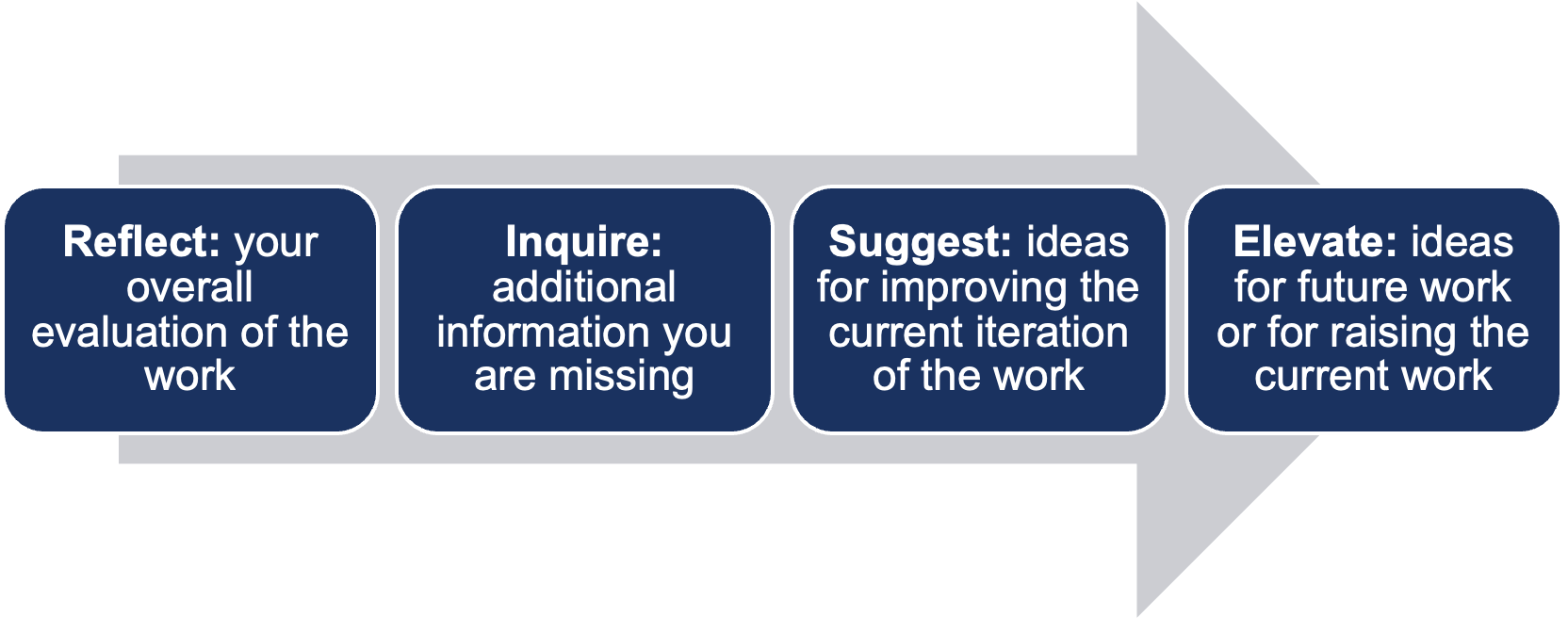
Figure 4: RISE Model for Clear and Effective Feedback
In conclusion, feedback is one of the most powerful influences on learning and achievement. Feedback has no effect in a vacuum; to be powerful in its effect, there must be a learning context to which feedback is addressed. Feedback is among the most critical influences on student learning.