4.2 The Importance of Feedback in Online Learning
| Gedruckt von: | Svečio paskyra |
| Datum: | Mittwoch, 15. Juli 2026, 06:36 |
1. Introduction
Feedback is a critical component in student learning, serving as a catalyst for improvement and deeper understanding. It provides students with specific, actionable information about their performance, highlighting both strengths and areas needing development. Effective feedback fosters a growth mindset by encouraging learners to view challenges as opportunities for growth rather than as insurmountable obstacles. Additionally, it helps students set realistic goals and develop self-regulation skills, essential for lifelong learning. By promoting reflective practice, feedback enables students to critically assess their work and apply new strategies to enhance their academic skills, thereby bridging the gap between current performance and desired learning outcomes.
Feedback as a quantified dimensions of learners’ feedback experiences can be leveraged to improve effectiveness, increase efficiency, and maintain appeal in online courses. Feedback should stimulate reflection, thought, learning, and improvement. Feedback and assessment go hand in hand. Learner-centred feedback is an essential component of quality assessment, which is part of the learning process.
Video 1: Importance of Feedback in Online Learning
[Duration 2:13 minutes, created by the course authors]
2. A Model of Feedback to Enhance Learning
Hattie & Timperley (2007) presented a framework for feedback to enhance learning (see Figure 1). In this model, the authors suggest that as we reference current understanding and performance to a desired goal, feedback is the tool that helps to bridge that gap.
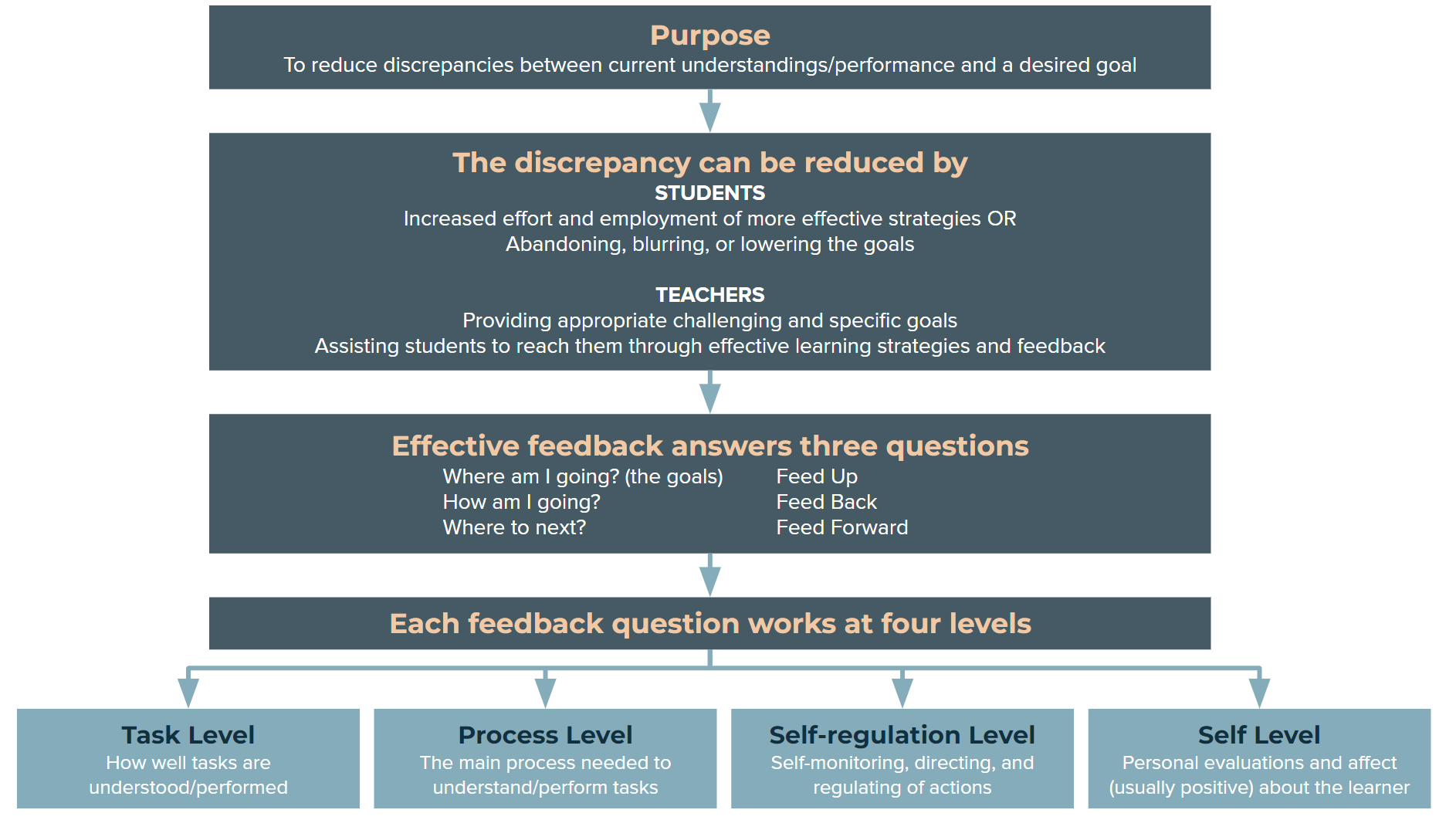
Figure 1: A Model of Feedback to Enhance Learning (Hattie & Timperley, 2007).
In an educational context, enhancing students' understanding and performance can be achieved by minimising obstacles to goal attainment. Students can either increase their effort, adopt more effective study strategies, accept lower standards, or give up altogether, which closes the gap between their performance and their goals.
Teachers play a crucial role in reducing this gap by clarifying goals, ensuring they are specific and appropriately challenging, and creating a conducive learning environment. They can equip students with effective learning strategies and error detection skills, with feedback serving as a critical component in bridging the gap between actual performance and desired goals (Hattie et al., 1996).
Effective teaching involves not only imparting knowledge but also evaluating and assessing students' understanding. Feedback should address three key questions:
- Where am I going? (referencing the set goals)
- How am I going?
- Where to next?
These questions can be summarised as "feed up," "feed back," and "feed forward." Effective feedback should be focused and directed at four levels (Hattie & Timperley, 2007):
- Task Level: Feedback on the specific task's understanding or performance. Example: "Consider using brighter colors to create a happier mood."
- Process Level: Feedback on the process used to complete the task. Example: "Include a summary for each item mentioned to make the model clearer."
- Self-Regulation Level: Feedback on the student’s self-evaluation skills and confidence. Example: "You know the list of power words for compelling headlines. Ensure you’ve used them in your writing."
- Self Level: Personal feedback not directly tied to a task. Example: "You are very hardworking. Your research effort is evident."
Effective feedback also involves timing and delivery. Immediate feedback may lead to quicker error correction, but delayed feedback can also be beneficial. For instance, correcting a public speaker immediately can be disruptive and reduce confidence.
Teachers should differentiate between feedback and advice. Feedback should be descriptive and followed by advice if necessary. For example, instead of saying, "Use brighter colors in your painting," a teacher could say, "Your painting progress is good. May I give you feedback to enhance it? The dark colors blend into the background; consider using brighter colors to make it stand out."
By following these principles, teachers can provide feedback that is more likely to be understood and accepted, ultimately leading to improved student performance.
3. Dimensions of Feedback
Effective feedback is crucial for enhancing the learning experience and promoting student success. Several key dimensions of feedback contribute to its impact on learners:
- Timeliness: How quickly is feedback provided to the learner? This refers to the interval between a learner’s attempt and the response from either a peer or an instructor.
- Frequency: How often is feedback received? This measures the number of feedback instances experienced by the learner within a given unit of study.
- Distribution: How are interactions dispersed throughout the learning experience? This considers the intervals between feedback instances, ensuring they are spread out evenly to support continuous learning.
- Source: To what extent does the learner trust the feedback provider? This evaluates the credibility of the feedback source as perceived by the learner.
- Individualisation: How well is the feedback tailored to the learner’s unique strengths, needs, or interests? This assesses whether the feedback is specific to the learner's personal goals, strengths, needs, or questions.
- Content: How useful is the feedback content for the learner? This examines whether the feedback provides clear next steps to correct misunderstandings or encourages the learner to extend their learning in new and innovative ways.
Incorporating these dimensions into feedback practices can significantly enhance the educational experience, fostering deeper understanding and sustained academic growth.
Video 2: Effective Feedback [3:24]
4. Perspectives of the Feedback

To provide comprehensive feedback that aids students in enhancing their learning, it is beneficial to consider feedback from three distinct perspectives:
Microscope Lens: This perspective focuses on the detailed characteristics of the feedback message itself. It involves scrutinizing the specific words chosen to convey the feedback. What language did you use in your comments?
Camera Lens: This viewpoint treats feedback as a snapshot of the learning process. It prompts reflection on what the feedback reveals about the student's thinking. Additionally, it considers what the student has learned regarding their current status, their goals, and the necessary steps to achieve those goals.
Telescope Lens: This perspective emphasizes the long-term impact of the feedback. It examines whether students were given intentional opportunities to utilize the feedback within their instructional framework. Furthermore, it assesses whether the use of feedback resulted in improved understanding or higher quality work (Brookhart, 2016).
5. Characteristics of Good Feedback

Here are some characteristics of good feedback:
- Focuses on specific learning objectives: Feedback should be tied to specific learning objectives and should provide information on how well a student has met those objectives.
- Provides actionable suggestions: Feedback should include actionable suggestions for improvement. Students should be able to use the feedback to make changes to their work or approach to learning.
- Encourages reflection: Feedback should encourage students to reflect on their learning and identify areas for improvement.
- Is delivered in a timely manner: Feedback should be delivered as soon as possible after the work has been completed. This allows students to make use of the feedback while the material is still fresh in their minds.
- Is delivered in a respectful manner: Feedback should be delivered in a respectful and constructive manner that encourages students to continue learning.
- Offers praise and recognition: Feedback should not only focus on areas for improvement but also acknowledge areas where students have done well. Positive feedback can motivate students to continue to work hard and achieve their goals.
Overall, good feedback is an essential tool for promoting student learning and growth. It helps students understand where they are in their learning journey and provides them with the information they need to make progress toward their goals.
6. Forms of Feedback

A feedback strategy can take many forms, depending on the specific learning objectives and the needs of individual students. Some common approaches to providing feedback in education include:
- Written feedback: Written feedback is one of the most common forms of feedback in education. Teachers may provide comments on students' assignments, projects, or assessments, highlighting areas of strength and making suggestions for improvement.
- Verbal feedback: Verbal feedback involves providing feedback to students in person or through video conferencing. This approach can be particularly useful for providing immediate feedback, answering questions and engaging in discussion about a student's progress.
- Peer feedback: Peer feedback involves having students provide feedback to each other on their work. This approach can be beneficial for promoting collaboration, building communication skills and developing critical thinking skills.
- Self-assessment: Self-assessment involves having students evaluate their own learning progress and performance. This approach can be beneficial for promoting self-reflection, encouraging metacognition and building self-confidence.
A feedback strategy can be an effective tool for promoting student learning and growth, as it provides students with valuable information and guidance to help them achieve their learning goals.
7. Designing Feedback Strategies

In education, a feedback strategy is a systematic approach to providing feedback to students on their learning progress and performance. The goal of a feedback strategy is to help students understand their strengths and weaknesses, identify areas for improvement and make progress towards their learning goals.
Each of these needs to be thought of in terms of ‘effective and efficient’. Does it have a high impact on those reading the information and does it do so in a manner that can easily be digested?
A feedback strategy in education is a systematic approach to providing feedback to students on their learning progress and performance. The goal of a feedback strategy is to help students understand their strengths and weaknesses, set goals for improvement and take ownership of their learning.
A feedback strategy typically includes the following elements:
- Clear learning objectives: The teacher sets clear learning objectives and communicates them to students.
- Ongoing assessment: The teacher provides ongoing assessment of student learning, using a variety of methods such as formative assessments, quizzes, assignments and class discussions.
- Timely feedback: The teacher provides timely and specific feedback to students on their progress towards the learning objectives.
- Self-reflection: The teacher encourages students to reflect on their learning process (metacognition), their learning progress and identify areas for improvement.
- Goal setting: The teacher helps students set goals for improvement based on the feedback provided.
- Action planning: The teacher helps students develop action plans to achieve their goals.
By using a systematic feedback strategy, teachers can help students to improve their performance, boost their confidence and become more engaged in the learning process. It is also an effective way to support student growth and development over time.
8. Methods Suitable For E-feedback

Feedback is the comments, questions, and information on how students are achieving predetermined goal. Feedback methods are not discipline-specific, they are context- dependent (Costello & Crane, 2016).
Methods Suitable For E-feedback
- Automated tutors
- Auto-scoring of assignments
- Self-checks
- Written comments
- Oral comments
- Meta-verbal
- Emoticons
- Automated tutors - computer-generated comments based on background programming; model answers or programmed feedback given in response to answers submitted to learners on computer-based assessments
- Auto-scoring. Auto-scoring of assignments is used in educational games, or computer marked tests; differs from the automated tutor in that a score is provided; requires background programming.
- Oral comments - spoken words, such as those used in group discussions; may be synchronous or asynchronous comments.
- Written comments - texted-based comments placed on learner’s work that tells the learner what is good about their work as well as how the work may be improved.
- Self-checks - involve the learner reviewing the objectives to ensure they know what they are expected to know; self-checks are often found at the end of a chapter, or on the textbook’s associated website.
- Meta-verbal - meta-verbal feedback is provided using body language, tone, etc., that provide more information than words alone.
- Emoticons - emoticons are word stamps, thumbs up, smiley faces or frowns that are quick and let the learner know what the teacher feels about a component of the work.
- Peer feedback - involves learners critically thinking about their work and the work of others in order to make suggestions on ways to improve.
Automatic Feedback Generation in Online Learning Environments
Main goals for using automatic feedback generation:
- Use feedback to help students on a specific content/ course;
- Use feedback to support self-regulation;
- Use feedback to help instructors;
- Use feedback to reduce plagiarism behavior (Cavalcanti et al., 2021).
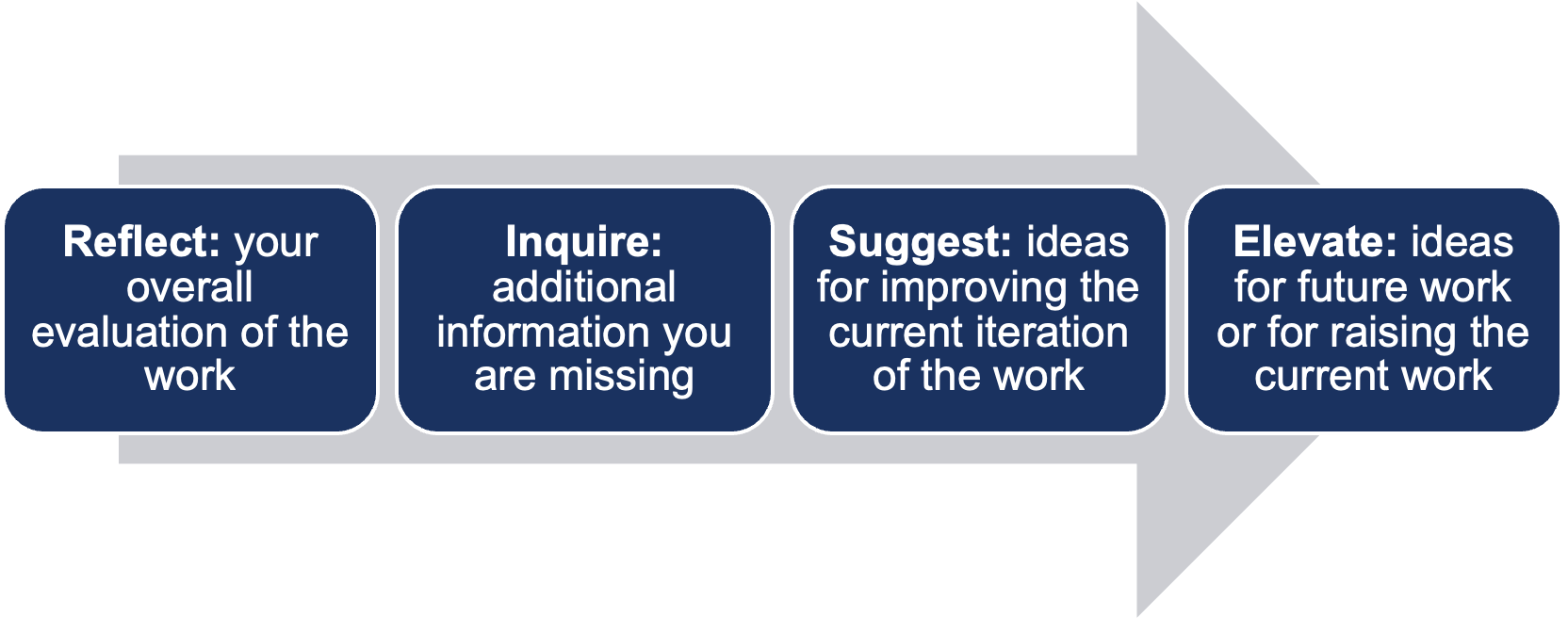
Figure 4: RISE Model for Clear and Effective Feedback
In conclusion, feedback is one of the most powerful influences on learning and achievement. Feedback has no effect in a vacuum; to be powerful in its effect, there must be a learning context to which feedback is addressed. Feedback is among the most critical influences on student learning.
9. Conclusion
In conclusion, the comprehensive analysis of student feedback underscores its critical importance in shaping educational strategies and enhancing the overall learning experience. This chapter has illuminated the multifaceted nature of student feedback, revealing its role not only as a mechanism for immediate course improvement but also as a foundational element in fostering a responsive and adaptive educational environment. Through detailed examination of various feedback modalities—ranging from qualitative reflections to quantitative surveys—our discussion highlights the necessity of incorporating diverse perspectives to capture the full spectrum of student experiences. Moreover, the insights derived from feedback serve as invaluable tools for instructors, enabling the refinement of pedagogical approaches and the alignment of instructional objectives with student needs. Future research should continue to explore innovative feedback methodologies and their long-term impacts on educational outcomes, ensuring that student voices remain integral to the continuous evolution of academic programs. By prioritizing and effectively integrating student feedback, educational institutions can cultivate a culture of continuous improvement, ultimately enhancing both teaching efficacy and student success.
10. References
Brookhart, S. M. (2016). Giving Students Effective Feedback. Alexandria, VA: ASCD.
Cavalcanti, A. P. Et al. (2021). Automatic feedback in online learning environments: A systematic literature review.Computers and Education: Artificial Intelligence, 2, 100027.
Costello, J., & Crane, D. (2016). Effective Feedback in Online Learning. In J. Keengwe, & G. Onchwari (Ed.),Handbook of Research on Active Learning and the Flipped Classroom Model in the Digital Age (pp. 212-231). IGI Global. https://doi-org.ezproxy.tlu.ee/10.4018/978-1-4666-9680-8.ch011
Crisp, E.A., Bonk, C.J. (2018). Defining the learner feedback experience. TechTrends, 62, 585–593.https://doi.org/10.1007/s11528-018-0264-y
Hattie, J., & Timperley, H. (2007). The power of feedback. Review of Educational Research, 77(1), 81-112.https://doi.org/10.3102/003465430298487
Hattie, J., Biggs, J., & Purdie, N. (1996). Effects of learning skills interventions on student learning: A meta-analysis.Review of Educational Research, 66(2), 99-136.
Haughney, K., Wakeman, S., & Hart, L. (2020). Quality of feedback in higher education: A review of literature.Education Sciences, 10(3), 60. MDPI AG. Retrieved from http://dx.doi.org/10.3390/educsci10030060