
4.2 The Importance of Feedback in Online Learning
2. A Model of Feedback to Enhance Learning
Hattie & Timperley (2007) presented a framework for feedback to enhance learning (see Figure 1). In this model, the authors suggest that as we reference current understanding and performance to a desired goal, feedback is the tool that helps to bridge that gap.
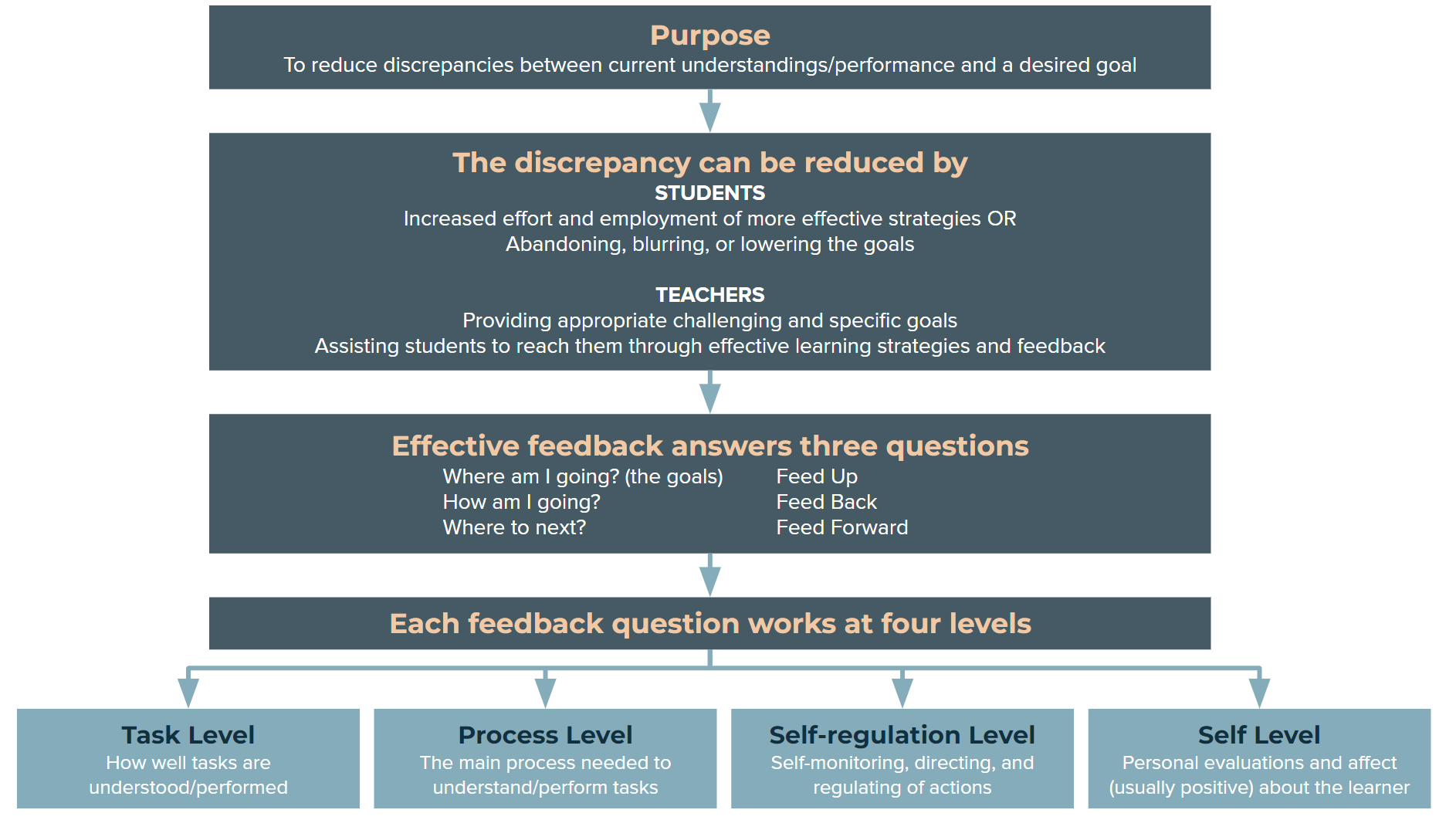
Figure 1: A Model of Feedback to Enhance Learning (Hattie & Timperley, 2007).
In an educational context, enhancing students' understanding and performance can be achieved by minimising obstacles to goal attainment. Students can either increase their effort, adopt more effective study strategies, accept lower standards, or give up altogether, which closes the gap between their performance and their goals.
Teachers play a crucial role in reducing this gap by clarifying goals, ensuring they are specific and appropriately challenging, and creating a conducive learning environment. They can equip students with effective learning strategies and error detection skills, with feedback serving as a critical component in bridging the gap between actual performance and desired goals (Hattie et al., 1996).
Effective teaching involves not only imparting knowledge but also evaluating and assessing students' understanding. Feedback should address three key questions:
- Where am I going? (referencing the set goals)
- How am I going?
- Where to next?
These questions can be summarised as "feed up," "feed back," and "feed forward." Effective feedback should be focused and directed at four levels (Hattie & Timperley, 2007):
- Task Level: Feedback on the specific task's understanding or performance. Example: "Consider using brighter colors to create a happier mood."
- Process Level: Feedback on the process used to complete the task. Example: "Include a summary for each item mentioned to make the model clearer."
- Self-Regulation Level: Feedback on the student’s self-evaluation skills and confidence. Example: "You know the list of power words for compelling headlines. Ensure you’ve used them in your writing."
- Self Level: Personal feedback not directly tied to a task. Example: "You are very hardworking. Your research effort is evident."
Effective feedback also involves timing and delivery. Immediate feedback may lead to quicker error correction, but delayed feedback can also be beneficial. For instance, correcting a public speaker immediately can be disruptive and reduce confidence.
Teachers should differentiate between feedback and advice. Feedback should be descriptive and followed by advice if necessary. For example, instead of saying, "Use brighter colors in your painting," a teacher could say, "Your painting progress is good. May I give you feedback to enhance it? The dark colors blend into the background; consider using brighter colors to make it stand out."
By following these principles, teachers can provide feedback that is more likely to be understood and accepted, ultimately leading to improved student performance.