3.2 Social Media for Education
Abschlussbedingungen
2. The Role of Social Media in Modern Education
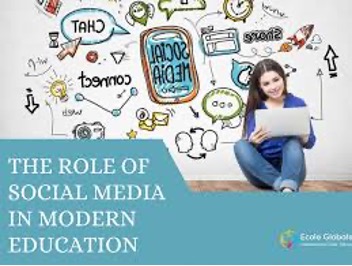
In modern education, social media serves several pivotal roles:
- Enhanced communication. Social media platforms facilitate communication between educators and students, breaking down barriers of time and location. This accessibility supports more dynamic and continuous interaction, fostering a more engaged learning environment.
- Collaborative learning. Social media tools support collaborative learning through forums, discussion groups, and virtual study groups. These platforms enable students to share resources, discuss ideas, and work together on projects, enhancing the overall learning experience.
- Access to resources. The wealth of information available on social media platforms provides students and educators with access to a wide range of resources, including academic articles, instructional videos, and expert opinions. This easy access to information supports self-directed learning and the discovery of diverse perspectives.
- Professional development. For educators, social media offers opportunities for professional development through online communities, webinars, and social learning networks. These resources help teachers stay updated with the latest educational trends, methodologies, and technologies.
- Student engagement. Integrating social media into the classroom can increase student engagement by leveraging familiar technologies to create interactive and enjoyable learning experiences. Platforms like YouTube, for instance, can be used to share educational videos, while Twitter can facilitate real-time discussions and debates.