3.2 Social Media for Education
| Tipărit de: | Gast |
| Dată: | miercuri, 15 iulie 2026, 06:36 |
1. Introduction
Social media encompasses digital technologies that enable the sharing of ideas and information through virtual networks and communities. It includes platforms like Facebook, Twitter, Instagram, LinkedIn, and many others. These platforms allow users to post text, images, videos, and other multimedia content, facilitating communication and interaction on a global scale. The rapid evolution and widespread adoption of social media have profoundly impacted various aspects of society, including education.
Video 1: Social Media for Higher Education [Duration 2:11 minutes, created by the course authors]
Video 2: Using Social Media in Education [2:35]
2. The Role of Social Media in Modern Education
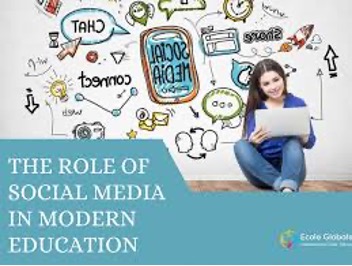
In modern education, social media serves several pivotal roles:
- Enhanced communication. Social media platforms facilitate communication between educators and students, breaking down barriers of time and location. This accessibility supports more dynamic and continuous interaction, fostering a more engaged learning environment.
- Collaborative learning. Social media tools support collaborative learning through forums, discussion groups, and virtual study groups. These platforms enable students to share resources, discuss ideas, and work together on projects, enhancing the overall learning experience.
- Access to resources. The wealth of information available on social media platforms provides students and educators with access to a wide range of resources, including academic articles, instructional videos, and expert opinions. This easy access to information supports self-directed learning and the discovery of diverse perspectives.
- Professional development. For educators, social media offers opportunities for professional development through online communities, webinars, and social learning networks. These resources help teachers stay updated with the latest educational trends, methodologies, and technologies.
- Student engagement. Integrating social media into the classroom can increase student engagement by leveraging familiar technologies to create interactive and enjoyable learning experiences. Platforms like YouTube, for instance, can be used to share educational videos, while Twitter can facilitate real-time discussions and debates.
3. Popular Social Media Platforms for Education

Several social media platforms are commonly used in educational settings to facilitate communication, collaboration, and learning. Below are some of the most popular ones:
- Groups: Facebook Groups can be used to create communities for classes, study groups, or special interest groups. They provide a space for sharing resources, discussions, and announcements.
- Pages: Educators and institutions can create Pages to share information, updates, and educational content with a wider audience.
- Hashtags: Hashtags like #edchat and #edtech can be used to find and participate in educational conversations. They help in connecting with a broader educational community.
- Lists: Twitter Lists can be curated to follow specific educators, experts, or organizations, providing a tailored feed of relevant educational content.
- Channels: Educators can create channels to upload and organize video content, such as lectures, tutorials, and explainer videos.
- Playlists: Playlists can be used to curate and categorize educational videos, making it easier for students to follow a series of related content.
- Professional networking: LinkedIn is valuable for connecting with other educators, professionals, and organizations. It supports professional development and networking.
- Groups: LinkedIn Groups provide a platform for discussions and sharing resources among professionals with similar interests.
- Visual content: Instagram can be used to share visual content related to educational activities, events, and achievements.
- Stories and IGTV: These features allow for sharing short updates and longer video content, which can be educational or informational.
- Classroom management: Edmodo is designed specifically for educational purposes, providing tools for assignments, quizzes, and discussions within a secure environment.
- Parent communication: It facilitates communication between teachers, students, and parents, helping to keep everyone informed and engaged.
- Boards: Pinterest Boards can be used to collect and organize educational resources, lesson plans, and ideas.
- Pins: Educators can share and discover educational content through Pins, which link to resources and articles.
- Groups: WhatsApp Groups allow for quick and easy communication among students and educators. It can be used for sharing updates, resources, and conducting discussions.
- Broadcast lists: Educators can send announcements to multiple students without creating a group, maintaining privacy and reducing unnecessary notifications.
- Subreddits: Subreddits like r/education and r/teachers provide forums for educators to share resources, seek advice, and discuss educational topics.
- AMAs: "Ask Me Anything" sessions with experts can provide valuable insights and knowledge on various subjects.
- Short educational videos: TikTok can be used to create short, engaging educational videos on various topics. Educators can leverage trends to make learning fun and relatable.
- Challenges and hashtags: Educational challenges and hashtags help in spreading knowledge and engaging students in creative ways.
These platforms offer diverse tools and features that can enhance the educational experience. When used effectively, they can support communication, collaboration, and access to a wealth of resources, making learning more interactive and engaging. However, it's essential to consider the privacy and security implications and ensure that students are guided in using these platforms responsibly.
4. Benefits and Challenges
Benefits:
- Increased accessibility. Social media makes education more accessible by providing learning materials and opportunities to individuals regardless of their geographical location.
- Enhanced collaboration.The collaborative nature of social media encourages teamwork and peer learning, which are essential skills in the modern workforce.
- Real-world learning. Social media can bridge the gap between theoretical knowledge and real-world application by connecting students with industry professionals and current events.
- Immediate feedback. Platforms enable instant feedback on assignments and discussions, which can accelerate the learning process and help students quickly identify areas for improvement.
Challenges:
- Distraction. The use of social media can lead to distractions, diverting students' attention from their studies to non-educational content.
- Information overload. The vast amount of information available on social media can be overwhelming, making it challenging for students to discern credible sources from unreliable ones.
- Privacy concerns. The use of social media in education raises privacy issues, as students' personal information can be exposed to a broader audience.
- Digital divide. Not all students have equal access to the necessary technology and internet connectivity, potentially exacerbating educational inequalities.
5. Ethical Considerations
The integration of social media in education brings forth several ethical considerations:
- Privacy and data protection. Educators must ensure that students' personal information is protected and that privacy settings are appropriately managed. This includes understanding the terms of service of various platforms and educating students about data security.
- Digital citizenship. Teaching students about responsible and ethical behavior online is crucial. This includes understanding the implications of their digital footprint, respecting intellectual property, and engaging in positive online interactions.
- Equity and inclusion. Efforts should be made to ensure that all students have equal access to the benefits of social media in education. This might involve providing resources or support for students who lack access to necessary technology.
- Academic integrity. The ease of sharing information on social media can lead to issues of plagiarism and academic dishonesty. Educators need to emphasize the importance of original work and proper citation practices.
- Mental health. The impact of social media on mental health is a growing concern. The pressure to present a certain image and the potential for cyberbullying can affect students' well-being. Schools should provide support and resources to address these issues.
6. Creating a Social Media Strategy for Education

A well-crafted social media strategy can significantly enhance the educational experience by fostering communication, collaboration, and engagement. Here is a step-by-step guide to creating an effective social media strategy for education:
1. Define your objectives
Start by identifying the primary goals of your social media strategy. Common objectives in educational settings include:
- Enhancing communication between students, educators, and parents.
- Promoting collaborative learning and peer interaction.
- Increasing access to educational resources and information.
- Building a supportive online community.
- Enhancing the institution’s visibility and reputation.
2. Identify your audience
Understand who your target audience is. In education, this could include:
- Students at various educational levels.
- Educators and academic staff.
- Parents and guardians.
- Alumni and prospective students.
- Other stakeholders such as industry partners.
3. Choose the right platforms
Select social media platforms that align with your objectives and audience. For instance:
- Facebook: for creating groups, events, and sharing updates.
- Twitter: for real-time communication and sharing news.
- Instagram: for sharing visual content and stories.
- LinkedIn: for professional networking and sharing academic achievements.
- YouTube: for uploading and organizing educational videos.
4. Develop a content plan
Create a content plan that outlines the type of content you will share, the frequency of posts, and the platforms you will use. Consider the following types of content:
- Announcements and Updates: Important dates, events, and news.
- Educational Resources: Articles, videos, tutorials, and infographics.
- Engagement Posts: Polls, questions, and interactive content to engage your audience.
- Showcasing Achievements: Highlighting student and faculty achievements and milestones.
5. Establish a posting schedule
Consistency is key to maintaining an active and engaging social media presence. Develop a posting schedule that outlines when and how often you will post content. Use tools like social media calendars to plan and organize your posts.
6. Encourage participation and interaction
Promote active participation by encouraging students and educators to share their own content, comment on posts, and engage in discussions. This can be achieved by:
- Creating hashtag campaigns.
- Hosting live Q&A sessions or webinars.
- Organizing virtual events and challenges.
7. Monitor and analyze performance
Regularly monitor your social media performance to understand what works and what doesn’t. Use analytics tools provided by the platforms to track metrics such as:
- Engagement rates (likes, comments, shares).
- Reach and impressions.
- Follower growth.
- Click-through rates on shared links.
Use this data to refine your strategy and make informed decisions about future content and activities.
8. Ensure privacy and security
Maintaining the privacy and security of your audience is crucial. Educate students and staff about best practices for online safety and data protection. Ensure that all interactions adhere to institutional policies and legal regulations regarding privacy.
9. Train educators and staff
Provide training for educators and staff on how to effectively use social media for educational purposes. This includes:
- Best practices for content creation and engagement.
- Understanding platform-specific features and tools.
- Managing online interactions and addressing issues such as cyberbullying.
10. Foster a positive online community
Encourage a positive and supportive online community by promoting respectful interactions and addressing negative behavior promptly. Establish clear guidelines for behavior and communicate these to your audience.
Creating a social media strategy for education involves careful planning and continuous monitoring. By defining clear objectives, understanding your audience, and consistently delivering valuable content, you can leverage social media to enhance the educational experience and build a strong online community. Remember to prioritize privacy and security, and provide ongoing support and training to educators and staff to ensure the success of your strategy.
7. Conclusions
Social media has the potential to significantly enhance modern education by improving communication, collaboration, and access to resources. However, it also presents several challenges and ethical considerations that must be carefully managed. By addressing these issues, educators can leverage social media to create more dynamic, inclusive, and effective learning environments.
Improving communication between educators and students, social media platforms facilitate immediate feedback and foster a sense of community. Collaborative tools allow students to engage with peers and educators beyond traditional classroom boundaries, enhancing teamwork and critical thinking skills. Additionally, the vast array of resources available on social media provides learners with diverse perspectives and materials, enriching the educational experience.
However, the integration of social media in education is not without its challenges. Privacy concerns, the potential for cyberbullying, and the risk of distraction are significant issues that need careful consideration. Furthermore, the digital divide can exacerbate inequalities, as not all students have equal access to technology and the internet.
Ethical considerations also play a crucial role. Ensuring that content shared on social media adheres to academic integrity, protecting students' data, and promoting respectful online behavior are essential to creating a safe and productive learning environment.
To fully harness the benefits of social media in education, a balanced approach is necessary. Educators should receive training on best practices for incorporating social media into their teaching strategies while maintaining a critical awareness of its limitations and potential pitfalls. Institutions should implement robust policies to safeguard against misuse and ensure equitable access for all students.
In conclusion, social media holds great promise for transforming education by enhancing communication, collaboration, and access to resources. With careful management of the associated challenges and ethical considerations, it can become a powerful tool for creating more dynamic, inclusive, and effective learning environments. By embracing these opportunities and addressing the potential drawbacks, educators can foster a more connected and enriched educational landscape.
8. References
Greenhow, C., Galvin, S. M., & Staudt Willet, K. B. (2019). What should be the role of social media in education?. Policy Insights from the Behavioral and Brain Sciences, 6(2), 178-185.
Greenhow, C., & Lewin, C. (2019). Social media and education: Reconceptualizing the boundaries of formal and informal learning. In Social Media and Education (pp. 6-30). Routledge.
Orlanda-Ventayen, C. C., & Ventayen, R. J. M. (2017). Role of social media in education: A teachers’ perspective. ASEAN Journal of Open and Distance Learning, 9(2).
Van Dijck, J., & Poell, T. (2018). Social media platforms and education. The SAGE Handbook of Social Media, 579-591.
Weller, M. (2023). The Rise and Development of Digital Education. In Handbook of Open, Distance and Digital Education (pp. 1-17). Singapore: Springer Nature Singapore.
Zawacki-Richter, O., & Jung, I. (Eds.). (2023). Handbook of Open, Distance and Digital Education. Springer.