
3.1 Learning Management Systems
Abschlussbedingungen
3. Key Features and Functionalities
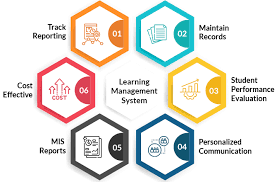
Modern LMS are equipped with a myriad of features designed to enhance the learning experience and streamline educational processes. Core functionalities typically include:
- Content Management: Enabling the creation, storage, and distribution of learning materials in various formats, such as text, video, and interactive media.
- Assessment and Evaluation: Facilitating the design and administration of quizzes, tests, and assignments, alongside tools for grading and providing feedback.
- Communication and Collaboration: Offering forums, chat rooms, and messaging systems to foster interaction between learners and educators, as well as among peers.
- Tracking and Reporting: Allowing educators to monitor learner progress, generate performance reports, and identify areas needing intervention.
- Customization and Personalization: Supporting the tailoring of learning experiences to meet individual learner needs and preferences.
Benefits of LMS in online teaching include:
- Improved accessibility and flexibility: LMS offer anytime, anywhere access to course materials, catering to diverse learning styles and schedules.
- Enhanced communication and collaboration: Facilitates communication, collaboration, and community building among instructors and students.
- Streamlined assessment and feedback: Centralized platforms reduce administrative burden and enhance timely feedback.
- Data-driven decision-making: Analytics provide valuable insights, enabling informed decisions about teaching approaches and interventions.
- Centralised resource repository: LMS serve as a repository for all course materials, assignments, and communication, ensuring easy access.