
Lesson 2.3 Pedagogical Approaches for Online Teaching
9. Understanding Students’ Learning Challenges
Throughout the process of learning, students often experience a variety of cognitive, motivational, and affective challenges that can significantly impact their educational journey. These challenges, intricately interwoven and mutually influential, emanate from the complex interplay of cognitive processes, motivational and affective states, and social dynamics within the learning environment. As such, understanding the multifaceted nature of these challenges is essential for educators seeking to support their students effectively.
Cognitive challenges encompass a broad spectrum of obstacles that impede students’ acquisition, processing, and retention of knowledge. These may manifest as difficulties in understanding complex concepts, solving problems, or synthesizing information from various sources. Factors such as cognitive load, information processing speed, and working memory capacity can all influence the extent to which students grapple with these challenges. Moreover, individual differences in cognitive styles and learning preferences further contribute to the diversity of cognitive obstacles students may encounter.
Motivational and affective challenges arise from students’ internal drives, attitudes, and emotional states, all of which play pivotal roles in shaping their engagement and perseverance in learning tasks. A lack of intrinsic motivation, fear of failure, or feelings of anxiety and self-doubt can hinder students’ willingness to invest effort and persist in the face of challenges. External factors, including perceived relevance of the material, instructional methods, and feedback mechanisms, also exert significant influence on students’ motivational and affective experiences.
Furthermore, social dynamics within the learning environment serve as both catalysts and barriers to students’ learning experiences. Peer interactions, group dynamics, and classroom norms all contribute to the social context within which learning occurs. Positive social interactions can foster collaboration, cooperation, and a sense of belonging, enhancing students’ motivation and engagement. Conversely, interpersonal conflicts, social comparisons, or feelings of isolation can undermine students' confidence and impede their learning progress.
Crucially, students bring with them a wealth of prior knowledge, experiences, and learning strategies that shape their perceptions and responses to new learning situations. This existing knowledge base, combined with the unique dynamics of the current course and classroom environment, profoundly influences students' motivation to engage with course material and participate actively in learning activities. Recognising and leveraging these pre-existing assets can be instrumental in fostering a supportive and inclusive learning environment that meets the diverse needs of all students.
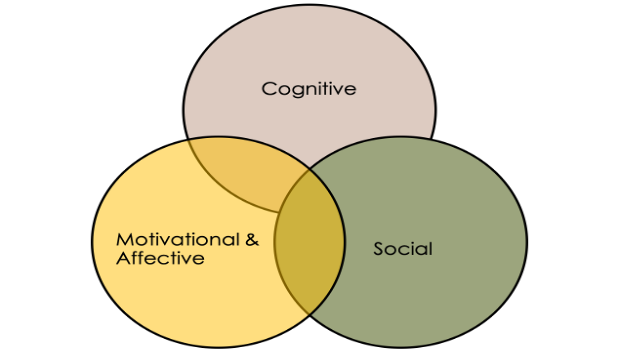
Figure 7: Students’ Learning Challenges
Thus, the challenges students face during the learning process are multifaceted and complex, stemming from the intricate interplay of cognitive, motivational/affective, and social factors. By understanding and addressing these challenges holistically, educators can create learning experiences that empower students to overcome obstacles, cultivate resilience, and achieve their full potential.
Identifying the Problem
As an instructor, one of the first steps to supporting student learning is identifying the instructional challenges that can arise when students are learning the content and developing intellectual skills needed in their disciplines. Keeping the course you identified above in mind, you can complete the Instructional Challenges Inventory. You will rate instructional challenges in your class on a scale ranging from “not a problem” to “a big problem”. Upon completion of the inventory, take a few moments to identify the “big problems” students experience in your course.
Identify Prior Knowledge and Prior Experience
Students come into an online course with a broad range of backgrounds, educational experiences, and prior knowledge and skills. Current research on learning suggests that learning is determined by what the learner already knows about the topic or related topics. If the pre-existing knowledge is correct and consistent with the new information, the effect on learning is positive. However, if prior knowledge is full of misconceptions, or conflicts with new information, the effect on new learning can be negative.
Identifying the prior knowledge and prior experiences of students in an online course is crucial for designing effective instruction, tailoring learning experiences to individual needs, and promoting meaningful engagement. Here are several strategies for identifying and assessing students’ prior knowledge and experiences:
Pre-course surveys: Administer pre-course surveys or questionnaires that inquire about students’ backgrounds, interests, and experiences related to the course topic. Ask open-ended questions to encourage students to reflect on their prior knowledge and experiences in relevant areas. Additionally, include questions about their learning preferences, strengths, and areas of improvement.
Diagnostic assessments: Use diagnostic assessments at the beginning of the course to gauge students’ baseline understanding of key concepts or skills. These assessments can take various forms, such as quizzes, concept maps, or problem-solving tasks. Analyse students’ responses to identify common misconceptions, areas of strength, and gaps in understanding.
Review of prerequisite courses: If your online course has prerequisite courses or recommended readings, review the curriculum and learning objectives of these courses to ascertain the foundational knowledge and skills that students are expected to possess. This can help you assess the readiness of students to engage with more advanced material in your course.
Analysis of assignments and projects: Review any assignments, projects, or portfolios that students may have completed in prior courses or professional experiences. Look for evidence of relevant skills, knowledge, and accomplishments that can inform your understanding of students' prior learning experiences and achievements.
Self-assessment activities: Incorporate self-assessment activities into your course design, where students can reflect on their own strengths, weaknesses, and prior experiences related to the course content. Encourage students to set personal learning goals based on their self-assessment and provide opportunities for them to revisit and revise these goals throughout the course.
Online discussion forums: Use online discussion forums or collaborative platforms to facilitate peer-to-peer interactions where students can share their perspectives, insights, and experiences related to course topics. Encourage students to engage in reflective discussions and dialogue about how their prior knowledge and experiences inform their understanding of new concepts.
Individual consultations: Offer opportunities for individual consultations or office hours where students can meet with you virtually to discuss their background, goals, and any questions or concerns they may have about the course. Use these interactions to build rapport with students and gain deeper insights into their unique learning profiles.
By employing a combination of these strategies, educators can gather valuable information about students’ prior knowledge and experiences, allowing them to design instructional activities that build upon existing foundations, address misconceptions, and scaffold learning effectively in the online course environment.