
Lesson 2.3 Pedagogical Approaches for Online Teaching
8. Metacognition
Metacognition, often described as ‘thinking about thinking’, plays a crucial role in student learning in online education. Its significance lies in its ability to enhance students’ awareness of their own learning processes, strategies, and cognitive strengths and weaknesses. In online education, where learners often have greater autonomy and responsibility for their learning, metacognitive skills become even more vital. Metacognition can contribute to student learning in the online environment in the following way:
- Self-regulated learning: Metacognition empowers students to take control of their learning journey by enabling them to set goals, plan strategies, monitor their progress, and adjust their approaches as needed. In an online setting, where students may not have immediate access to instructors, self-regulated learning skills are essential for maintaining motivation and staying on track with coursework.
- Adaptability: Online education often presents diverse learning materials and formats, from text-based readings to multimedia presentations. Metacognitive awareness allows students to assess which strategies work best for them in navigating these varied resources, adapting their study techniques to suit different learning environments and content types.
- Critical thinking: Metacognition fosters critical thinking skills by encouraging students to reflect on the validity and reliability of information encountered in online courses. Through metacognitive processes such as evaluating evidence, identifying biases, and considering alternative perspectives, students can develop a more discerning approach to online content consumption and analysis.
- Problem-solving: When faced with challenges or obstacles in their online studies, metacognitive learners are better equipped to identify the root causes of their difficulties and implement effective solutions. By reflecting on their problem-solving processes and learning from past experiences, students can develop more robust strategies for overcoming academic hurdles.
- Engagement and motivation: Learners with metacognitive skills are more likely to be actively engaged in their online courses, as they possess a deeper understanding of their own learning preferences, interests, and motivations. By aligning course content and activities with their personal goals and aspirations, students can sustain their enthusiasm for learning throughout the online learning experience.
- Transfer of learning: Metacognition facilitates the transfer of learning from one context to another, allowing students to apply knowledge and skills gained in online courses to real-world situations. By reflecting on how they have applied their learning in different contexts and considering the underlying principles at play, students can enhance their ability to transfer knowledge effectively.
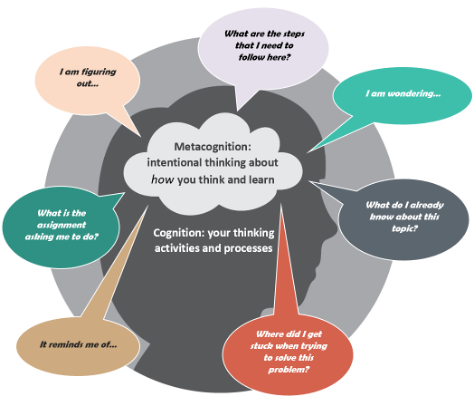
Figure 6: Metacognition [Image Source: https://www.queensu.ca/teachingandlearning/modules/students/24_metacognition.html]
In essence, metacognition serves as a guiding compass for students navigating the complexities of online education, empowering them to become self-directed, adaptive, and critical thinkers who actively engage with course materials, collaborate with peers, and persist in the pursuit of their academic goals.