
Lesson 2.3 Pedagogical Approaches for Online Teaching
6. Constructive Alignment
Course Units should be designed so that the Learning Activities and Assessments are aligned with one another and support and measure students' achievement of the unit’s Intended Learning Outcomes (ILOs).
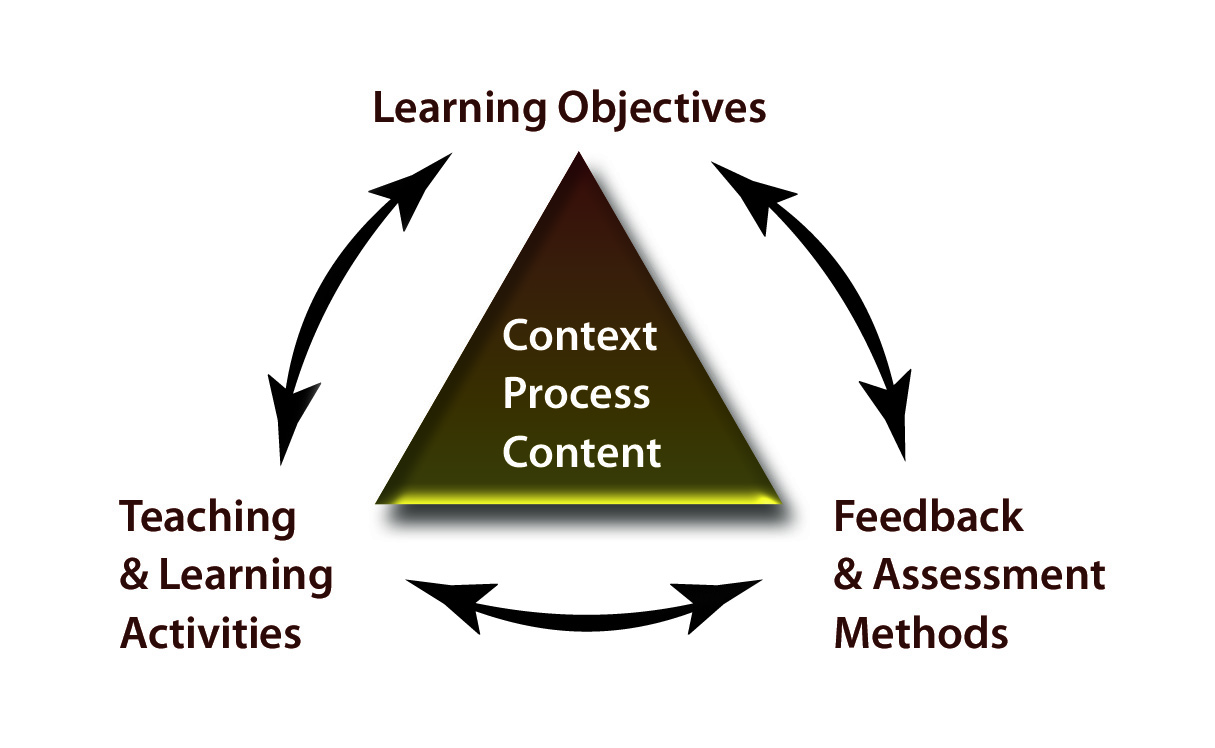
Figure 4: Constructive alignment [Graphic courtesy of Doug Schaefer]
Constructive Alignment (CA) is an approach to teaching in which learning outcomes are the foundation of all teaching decisions. Therefore, all learning experiences in a course (whether technological or not) must be rooted in the course Learning Objectives. So, before adding an activity or learning experience, ask yourself, “Which Learning Outcome does this support?”
Course Units are designed so that the Learning Activities and Assessments are aligned with one another and support and measure students’ achievement of the unit’s Intended Learning Outcomes (ILOs). “Constructive alignment is a design for teaching in which what it is intended students should learn and how they should express their learning is clearly stated before teaching takes place. Teaching is then designed to engage students in learning activities that optimise their chances of achieving those outcomes, and assessment tasks are designed to enable clear judgments as to how well those outcomes have been attained” (Biggs, 2014, pp. 5-6). Alignment occurs when the learning activities that we ask students to engage in help them to develop the knowledge, skills and understandings intended for the unit and measured by our assessment. A constructively aligned unit capitalises on the powerful effect of assessment on students' learning experiences. If assessment drives students' learning, then students are most likely to achieve our intended outcomes if the assessment is aligned with our intentions.
The Framework of Constructive Alignment
The framework of constructive alignment to unit design:
- Identify the intended learning outcomes (ILOs).
- Design assessment tasks to measure attainment of the learning outcomes.
- Plan learning activities to enable students to develop the skills, knowledge and understandings described in the ILOs and measured by assessment.
- Choose the content required to support the learning activities.