
Lesson 2.2 Online Learning Strategies and Models
8. Learning Environment
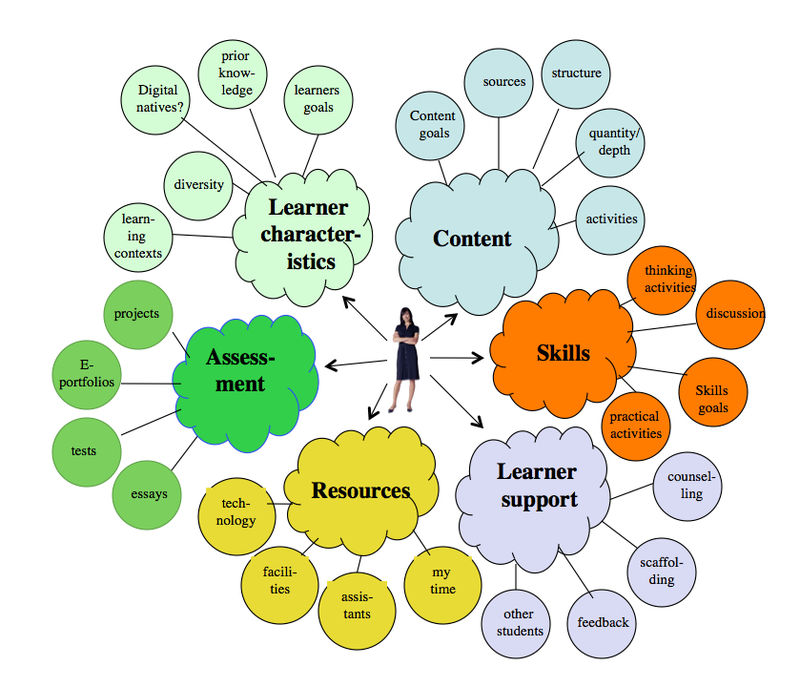
Learning Environment encompasses more than just the technical infrastructure of online instruction; it is a dynamic ecosystem shared by students, educators, families, and other stakeholders. At its core, it is a space that fosters collaboration, encourages inquiry, and embraces the value of learning from mistakes.
In this shared domain, the physical setting, established routines, and interpersonal connections play crucial roles in cultivating a sense of safety and belonging. By creating an environment that is physically, socially, and emotionally secure, learners are empowered to explore, take risks, and engage deeply with the learning process.
Central to a thriving learning culture are the relationships forged within the community. Positive and meaningful interactions between students, teachers, and other participants lay the groundwork for collaboration, trust, and mutual respect. These relationships form the bedrock upon which a productive and inclusive learning environment is built.
Ultimately, safety and respect are indispensable elements that underpin learner engagement and willingness to take intellectual risks. By prioritising these values, educators can create an environment where every individual feels valued, supported, and motivated to reach their full potential.
Physical Space and Routines
Physical Space and Routines serve as foundational elements in the creation of an effective and inclusive learning environment:
- Establishment of clear and collaborative routines. Clear, consistent, and respectful routines, procedures, and expectations are collaboratively established with input from students. This ensures that students understand what is expected of them, when, and why, fostering a sense of ownership and accountability within the learning community.
- Accessibility of tools and materials. Essential tools and materials are readily accessible to students, enabling seamless engagement with learning resources. By ensuring easy access to necessary resources, educators empower students to navigate their learning journey effectively and independently.
- Flexibility in environmental configuration. The learning environment is adaptable and can be configured in various ways to accommodate different learning tasks and activities. This flexibility enables educators to optimize the physical space to best suit the needs of diverse learners and facilitate varied instructional approaches.
- Empowerment for personalised learning. Students are empowered to utilise and navigate the learning environment in ways that align with their individual learning preferences and needs. This autonomy fosters a sense of agency and independence, enabling students to take ownership of their learning process and pursue personalised pathways to academic success.