Lesson 2.2 Online Learning Strategies and Models
| Tarafından basılmıştır: | Svečio paskyra |
| Tarih: | Salı, 14 Temmuz 2026, 10:18 PM |
1. Introduction
This lesson explores some principles that underpin effective digital education and online teaching, and how learning theories can inform approaches to teaching.
Instead of being confined to a mere binary decision, the landscape of online teaching presents a plethora of options and methodologies that can be tailored to suit diverse contexts. Hence, it is imperative to acquaint oneself with fundamental concepts and various tool categories, deliberate upon existing knowledge in this domain, adopt a flexible approach conducive to experimenting with online teaching methods, and carefully analyse the outcomes yielded by such endeavours (OU, 2017).
In the realm of online education, there exists a set of guiding principles known as the „Principles of Effective Online Teaching“. These principles serve as the foundation for a successful and enriching online learning experience:
- create a schedule;
- keep learners informed;
- foster a sense of community;
- ask for feedback; and
- recognise diversity (OU, 2017).
Video 1: Online Learning Strategies [Duration 1:48 minutes, created by the course authors]
Video 2: Things You Need to Know About Instructional Design for eLearning [6:45]
2. Create a Schedule

First and foremost, wise educators emphasize the critical importance of creating a structured schedule. A well-organized timetable provides learners with a sense of stability and direction, which is essential in their virtual journey of knowledge acquisition. In the transition to an asynchronous online learning environment, it is common for students to expect that the teacher will always be available. Therefore, it is imperative to establish and communicate a clear schedule that delineates your availability to learners.
To effectively manage expectations and support student success, educators should establish specific times when they are available for student interactions, as well as periods when they are not. For those requiring synchronous support, scheduling drop-in tutorials can be an effective strategy. Additionally, it is crucial to provide learners with a comprehensive schedule of expectations, clearly outlining the milestones they should achieve by specific dates throughout the course.
This proactive approach ensures that students are aware of key deadlines and understand the progression of the course. Regular follow-ups are necessary when students miss core deadlines, to provide additional support and to keep them on track with the curriculum. By doing so, educators can foster an environment of accountability and support, facilitating a more structured and successful learning experience (OU, 2017).
3. Keep Learners Informed

Next, the guardians of online education emphasize the crucial importance of keeping learners well-informed.It is essential to consistently and frequently communicate information about core deadlines to ensure students remain aware of critical dates. Repetition is key in reinforcing these deadlines and helping students stay organized and on track.
For synchronous learning events, such as webinars and group tutorials, it is important to provide multiple reminders in the weeks and days leading up to each event. This helps ensure maximum participation and allows learners to plan accordingly. Clear and frequent communication about these events can significantly enhance student engagement and participation.
In the event of changes to planned activities, such as an absence where you will be unable to respond to messages for a few days, it is vital to inform learners well in advance. Clear communication regarding such changes helps manage expectations and prevents any disruption to the learning process. Additionally, designate an alternate contact person who can assist learners urgently if needed during your absence. This ensures that students always have access to support and guidance, maintaining the continuity of their learning experience (OU, 2017).
4. Foster a Sense of Community

Moreover, the educators should foster a sense of community among their digital disciples. Building community is important for online learning, where learners can readily drift away or feel isolated due to the nature of online engagement. So, think about steps to keep them together and engaged. Through virtual gatherings, collaborative projects, and interactive discussions, we can create a warm and inclusive environment where learners felt connected and supported.
In an online environment, the role of the teacher can become more supportive and collegiate, such that the learners understand that your primary role is to help them to succeed on the course. It can be useful to construct an individual relationship with each learner rather than always relying on mass or automated emails (OU, 2017).
Wenger’s (1998) concept of ‘communities of practice’ (CoP) has gained traction in education over the past two decades. Wenger suggests that people who share a common goal or purpose can form a CoP through which they share insights and experiences. Members of a community are practitioners in a particular area. For example, they could be teachers in a subject area who discuss their ideas and experiences in a shared online space. Active participation in a CoP is a social process, and yet it enhances individuals’ learning and can also increase their social capital through developing connections and recognition.
5. Ask for Feedback

Understanding the value of continuous improvement, wise mentors actively encourage their students to provide regular feedback. This practice is integral to ensuring that the learning experience remains dynamic and responsive to the needs of the students. Regularly checking in on how learners are progressing through the course materials and assessing their understanding is crucial. This allows educators to evaluate whether students are adequately supported and to identify any areas where additional assistance may be required.
Students who respond negatively or do not respond at all warrant particular attention. These individuals may need tailored interventions to help them develop effective study strategies and regain their footing in the course. Providing targeted support to these students can significantly improve their learning outcomes and overall course satisfaction.
Online feedback mechanisms, such as surveys and discussion forums, offer a more immediate and formative means of gathering student feedback compared to traditional paper questionnaires (Donovan et al., 2006). These tools allow tutors to quickly identify and address any issues, facilitating a more agile and responsive teaching approach.
Additionally, engaging in peer observation with fellow online teachers can be extremely beneficial. This practice allows educators to share best practices, gain new perspectives on their teaching methods, and collaboratively improve their instructional strategies (Jones and Gallen, 2016; OU, 2017). By fostering a culture of continuous feedback and professional development, educators can enhance the quality of online education and better support their students' learning journeys.
6. Recognise Diversity

One of the primary advantages of the online learning environment is that it allows students to learn at their own pace and in their own way. It is essential to preserve the flexibility that online study offers by avoiding unnecessary restrictions on how students choose to engage with their learning materials.
Differentiated instruction plays a crucial role in this context. Online instructors can effectively tailor their teaching strategies to accommodate individual abilities, learning styles, and interests (Beasley and Beck, 2017). This personalized approach can significantly enhance student engagement and achievement. However, it is also important to provide a common framework or shared structure to ensure that all learners have a clear understanding of course expectations and milestones (OU, 2017).
Armed with these noble principles, educators embark on their quest to empower learners in the ever-expanding realm of online education. Guided by the unwavering belief that knowledge knows no bounds, they recognize that the pursuit of learning is a collaborative journey, one that requires flexibility, support, and a commitment to continuous improvement. By embracing the unique opportunities and challenges of online education, they strive to create an inclusive and dynamic learning environment where every student can thrive.
7. Elements of Effective Instruction Framework
The Elements of Effective Instruction Framework by the Great Schools Partnership outlines five intertwined elements of instructional practice that complement and enhance one another:
- Learning Environment:
- A supportive and inclusive learning environment is foundational to effective instruction. It encompasses physical, emotional, and psychological aspects, ensuring that all students feel safe, respected, and valued. Creating a positive learning atmosphere fosters engagement and facilitates deeper learning.
- Clear, Shared Outcomes:
- Clearly defined and communicated learning objectives are essential. These outcomes should be shared with students to provide a transparent roadmap of what is expected. When students understand the goals, they can better align their efforts and track their progress towards achieving them.
- Varied Content, Materials, and Methods:
- Utilizing diverse content, materials, and instructional methods caters to different learning styles and needs. By incorporating a variety of resources and teaching techniques, educators can address individual differences, making learning more accessible and engaging for all students.
- Practice and Feedback:
- Opportunities for practice and timely, constructive feedback are crucial for mastering new skills and concepts. Regular practice helps reinforce learning, while feedback guides students in refining their understanding and improving their performance. This iterative process is key to continuous improvement and skill development.
- Complex Thinking and Transfer:
- Encouraging complex thinking and the ability to transfer knowledge to new situations is vital for developing critical thinking and problem-solving skills. Instruction should challenge students to analyze, synthesize, and apply what they have learned in various contexts, preparing them for real-world challenges and fostering lifelong learning
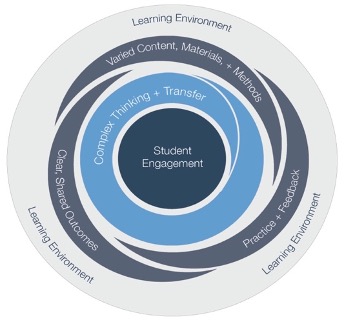
Figure 1: Elements of Effective Instruction Framework by the Great Schools Partnership https://www.greatschoolspartnership.org/resources/elements-of-effective-instruction/
8. Learning Environment
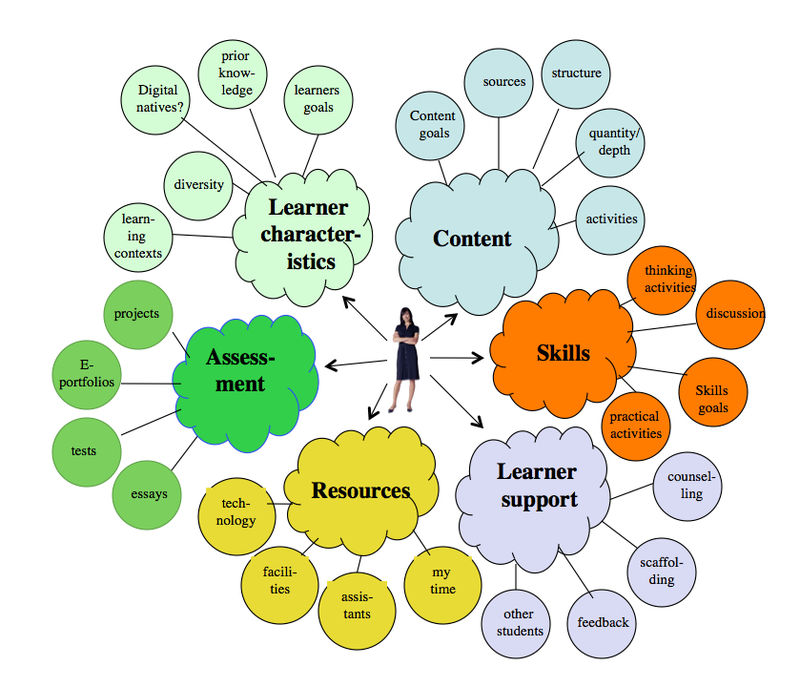
Learning Environment encompasses more than just the technical infrastructure of online instruction; it is a dynamic ecosystem shared by students, educators, families, and other stakeholders. At its core, it is a space that fosters collaboration, encourages inquiry, and embraces the value of learning from mistakes.
In this shared domain, the physical setting, established routines, and interpersonal connections play crucial roles in cultivating a sense of safety and belonging. By creating an environment that is physically, socially, and emotionally secure, learners are empowered to explore, take risks, and engage deeply with the learning process.
Central to a thriving learning culture are the relationships forged within the community. Positive and meaningful interactions between students, teachers, and other participants lay the groundwork for collaboration, trust, and mutual respect. These relationships form the bedrock upon which a productive and inclusive learning environment is built.
Ultimately, safety and respect are indispensable elements that underpin learner engagement and willingness to take intellectual risks. By prioritising these values, educators can create an environment where every individual feels valued, supported, and motivated to reach their full potential.
Physical Space and Routines
Physical Space and Routines serve as foundational elements in the creation of an effective and inclusive learning environment:
- Establishment of clear and collaborative routines. Clear, consistent, and respectful routines, procedures, and expectations are collaboratively established with input from students. This ensures that students understand what is expected of them, when, and why, fostering a sense of ownership and accountability within the learning community.
- Accessibility of tools and materials. Essential tools and materials are readily accessible to students, enabling seamless engagement with learning resources. By ensuring easy access to necessary resources, educators empower students to navigate their learning journey effectively and independently.
- Flexibility in environmental configuration. The learning environment is adaptable and can be configured in various ways to accommodate different learning tasks and activities. This flexibility enables educators to optimize the physical space to best suit the needs of diverse learners and facilitate varied instructional approaches.
- Empowerment for personalised learning. Students are empowered to utilise and navigate the learning environment in ways that align with their individual learning preferences and needs. This autonomy fosters a sense of agency and independence, enabling students to take ownership of their learning process and pursue personalised pathways to academic success.
9. Educational Theories and Digital Education
How Can Educational Theories Help You Take Your Teaching Online?
Educational theories offer valuable insights that can significantly enhance the transition to online teaching. When exploring the benefits of online education for learners, four key theories provide a framework for effective online instruction: behaviorism, cognitivism, constructivism, and connectivism. These theories underpin the five principles of effective online teaching discussed earlier in this lesson. Understanding their core concepts can be instrumental in successfully navigating the online teaching environment (OU, 2017).
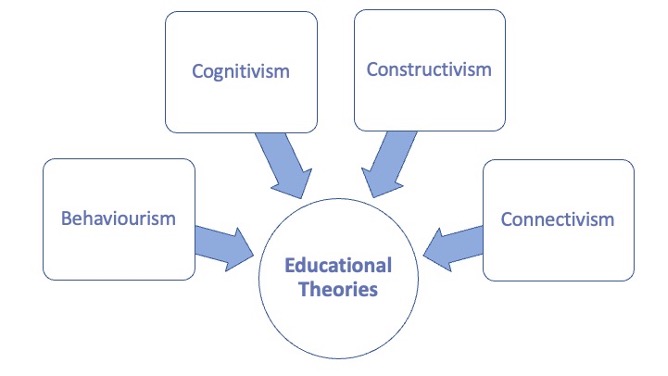
Figure 2: Educational theories informing online teaching
Behaviorism
- Behaviorism focuses on observable behaviors and the ways they can be shaped by the environment through reinforcement and punishment. In an online setting, this translates to designing learning activities that provide clear stimuli and responses, such as quizzes and immediate feedback. This approach can help reinforce correct behaviors and facilitate the learning of new skills through repetition and reinforcement.
Cognitivism
- Cognitivism emphasizes the importance of internal mental processes and how they influence learning. It considers how learners process, store, and retrieve information. Online educators can leverage this theory by organizing content in a logical and structured manner, using multimedia to support different cognitive processes, and incorporating activities that promote critical thinking and problem-solving.
Constructivism
- Constructivism posits that learners construct their own understanding and knowledge through experiences and reflection. In the online environment, this can be achieved by creating interactive and engaging activities that encourage exploration and discovery. Discussion forums, group projects, and problem-based learning tasks can help learners build knowledge collaboratively and reflect on their learning journey.
Connectivism
- Connectivism is a contemporary theory that highlights the role of social and technological networks in learning. It acknowledges the impact of digital information and communication technologies on how knowledge is created and shared. Online instructors can apply connectivist principles by fostering a connected learning community, encouraging the use of social media and other digital tools for collaboration, and providing opportunities for learners to connect with experts and resources beyond the classroom.
10. Conclusion
By prioritizing the establishment of clear routines, ensuring the accessibility of resources, embracing flexibility in environmental design, and empowering students in their learning endeavors, educators can cultivate a dynamic and supportive educational environment. This holistic approach enhances student engagement, promotes positive learning outcomes, and supports overall well-being.
Clear routines provide structure and predictability, helping students to navigate their educational journey with confidence. Ensuring resources are easily accessible removes barriers to learning, allowing all students to fully participate and benefit from the educational opportunities provided. Embracing flexibility in the design of the learning environment accommodates diverse learning styles and needs, fostering an inclusive atmosphere where every student can thrive.
Moreover, by empowering students and giving them agency in their learning, educators foster a sense of ownership and motivation that drives deeper engagement and commitment. This empowerment encourages students to take an active role in their education, developing critical thinking skills and independence that will serve them well beyond the classroom.
Together, these strategies create a nurturing and effective educational space that not only enhances academic performance but also contributes to the holistic development of each student.
11. References
Ausubel, D.P. (1960). Use of advance organisers in the learning and retention of meaningful material. Journal of Educational Psychology, 51 (5), 267–72.
Beasley, J.G. and Beck, D.E. (2017). Defining Differentiation in Cyber Schools: What Online Teachers Say. TechTrends, 61 (6), 550–59.
Bruner, J.S. (1966). Toward a Theory of Instruction, Cambridge, MA, Harvard University Press.
Donovan, J., Mader, C.E. and Shinsky, J. (2006). Constructive student feedback: Online vs. traditional course evaluations. Journal of Interactive Online Learning, 5 (3), 283–96.
Great School (2020). Partnership. The Elements of Effective Instruction.
Jones, M.H. and Gallen, A-M. (2016). Peer observation, feedback and reflection for development of practice in synchronous online teaching. Innovations in Education and Teaching International, 53 (6),616–26.
Open University (2017). Take your teaching online. The Open University.
Piaget, J. (1957) ‘The Child and Modern Physics’, Scientific American, vol. 196, no. 3, pp. 46–51.
Skinner, B.F. (1968) The Technology of Teaching, New York, NY, Appleton-Century- Crofts.
Thorndike, E.L., Bregman, E.O., Tilton, J.W. and Woodyard, E. (1928) Adult Learning, New York, NY, Macmillan.
Siemens, G. (2005) ‘Connectivism: A Learning Theory for the Digital Age’, International Journal of Instructional Technology and Distance Learning, vol. 2, no. 1 [Online]. http://www.itdl.org/journal/jan_05/article01.htm
Vygotsky, L.S. (1986) Thought and Language (trans. from Russian and revised and edited by A. Kozulin), Cambridge, MA, MIT Press.
Wenger, E. (1998). Communities of practice: Learning as a social system. Systems Thinker, 9(5), 2-3.