
Lesson 1.3 Benefits and Challenges of Digital Education
3. Challenges of Digital Education
Challenges associated with digital education are:
- Technological barriers
- Quality assurance
- Social isolation
- Digital literacy
- Privacy and security
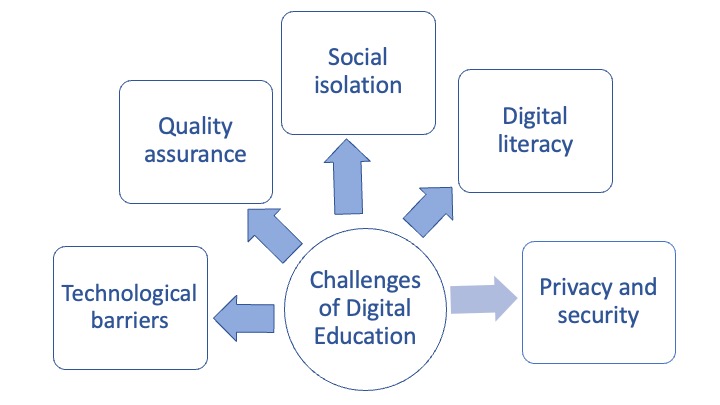
Figure 2: Challenges of Distance Education
Technological barriers: Not everyone has equal access to technology or reliable internet connections, creating a digital divide. This disparity in access can hinder some students' ability to fully participate in digital education programs. Additionally, technological glitches or issues with devices, software, or connectivity can disrupt learning experiences, causing frustration and impacting the quality of education delivered.
Quality assurance: Ensuring the quality of digital education programs can be challenging. The absence of face-to-face interaction between students and instructors may lead to difficulties in assessing learning outcomes and providing timely feedback. Moreover, the proliferation of online courses from various providers makes it difficult for students to discern the quality and credibility of educational content and credentials.
Social isolation: Digital education can contribute to feelings of social isolation among students. The lack of physical interaction with peers and instructors may lead to a sense of disconnection and loneliness, impacting students' motivation and mental well-being. Additionally, the absence of social cues and non-verbal communication in online interactions can make it challenging to build relationships and foster a sense of community within digital learning environments.
Digital literacy: Digital education requires a certain level of digital literacy, which not all students possess. Some learners may struggle to navigate online platforms, use digital tools effectively, or critically evaluate online information. This lack of digital literacy can impede students' ability to fully engage with digital learning resources and participate meaningfully in online discussions and activities.
Privacy and security: Digital education raises concerns about the privacy and security of students' personal data and online interactions. Educational institutions and online platforms must implement robust security measures to protect sensitive information from unauthorized access, data breaches, and cyberattacks. Additionally, ensuring students' privacy rights while using online learning platforms and tools requires careful consideration of data collection, storage, and usage practices.
Addressing these challenges requires a comprehensive approach that involves investment in infrastructure and technology, development of digital literacy skills, implementation of quality assurance mechanisms, promotion of social interaction and community-building strategies, and prioritization of privacy and security measures. By proactively addressing these challenges, digital education can fulfill its potential to provide accessible, high-quality learning experiences for all students.