Lesson 1.3 Benefits and Challenges of Digital Education
| Impresso por: | Svečio paskyra |
| Data: | quarta-feira, 15 de julho de 2026 às 06:36 |
1. Introduction
In an era defined by rapid technological advancement and global connectivity, digital education has emerged as a transformative force in the realm of learning and knowledge dissemination. By harnessing the power of digital technologies, education is no longer confined to traditional classroom settings but has transcended physical boundaries, offering a myriad of benefits to learners worldwide. From enhanced accessibility to personalised learning experiences, digital education has revolutionized the way we acquire knowledge, making it more accessible, flexible, and engaging than ever before.
This Lesson delves into the multifaceted advantages of digital education, elucidating its key benefits that have reshaped the educational landscape. From breaking down geographical barriers to fostering global collaboration, digital education has democratised access to quality learning opportunities, empowering individuals from diverse backgrounds to pursue their educational aspirations. Moreover, it explores the challenges that accompany the digital revolution in education, ranging from technological barriers to concerns surrounding privacy and security.
As we navigate the complexities of digital education, it becomes imperative to not only celebrate its successes but also address the obstacles that hinder its full potential. By understanding both the opportunities and challenges inherent in digital education, we can chart a course towards a future where education is not only accessible to all but also tailored to meet the diverse needs of learners in an increasingly interconnected world.
Video 1: Online Education: Advantages vs Disadvantages [Duration 1:02 minutes, created by the course authors]
2. Benefits of Digital Education
The main benefits of digital education are:
- Accessibility
- Flexibility
- Engagement
- Cost-effectiveness
- Global collaboration
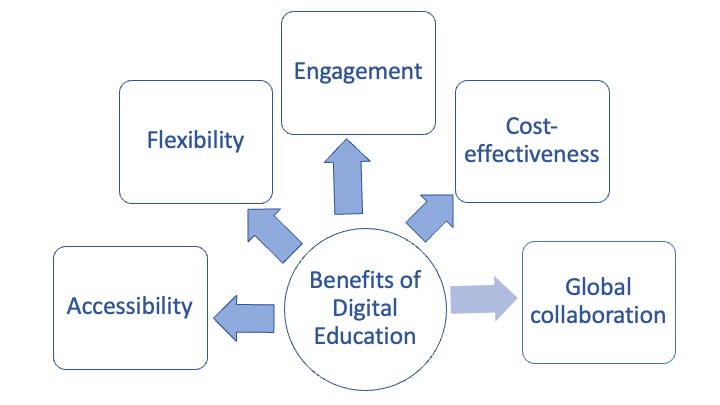
Figure 1: Benefits of Digital Education
Accessibility: Digital education breaks down physical barriers to learning. It allows individuals to access educational resources and materials from anywhere with an internet connection, regardless of geographical location or physical limitations. This accessibility is particularly advantageous for people in remote areas, those with disabilities, or individuals who cannot attend traditional classrooms due to work or family commitments.
Flexibility: Digital education offers flexibility in terms of scheduling and pacing. Learners can access course materials at any time that suits them, allowing them to study around their existing commitments. Additionally, digital platforms often offer self-paced learning options, allowing students to progress through courses at their own speed, accommodating different learning styles and preferences.
Engagement: Digital education leverages various interactive tools and multimedia resources to engage learners in ways that traditional methods often cannot. Through videos, simulations, interactive quizzes, and online discussions, students can actively participate in their learning process, leading to deeper understanding and retention of knowledge. Furthermore, digital platforms can adapt content to individual learning needs, providing personalised learning experiences that keep students engaged and motivated.
Cost-effectiveness: Digital education can be more cost-effective than traditional forms of education. It eliminates the need for expenses associated with physical infrastructure, such as classrooms and textbooks. Additionally, it reduces travel costs for both students and instructors. Moreover, digital materials can often be distributed at a lower cost compared to printed materials, making education more affordable and accessible to a wider range of learners.
Global collaboration: Digital education fosters collaboration among students and educators from around the world. Through online forums, video conferencing, and collaborative tools, learners can connect with peers and experts regardless of their location. This global collaboration exposes students to diverse perspectives and experiences, enriching their learning journey and preparing them for an increasingly interconnected world. Furthermore, digital platforms enable international partnerships between educational institutions, allowing for the exchange of knowledge, resources, and best practices on a global scale.
Overall, digital education offers numerous benefits that enhance accessibility, flexibility, engagement, cost-effectiveness, and global collaboration, ultimately democratising access to quality education and empowering learners to succeed in the digital age.
3. Challenges of Digital Education
Challenges associated with digital education are:
- Technological barriers
- Quality assurance
- Social isolation
- Digital literacy
- Privacy and security
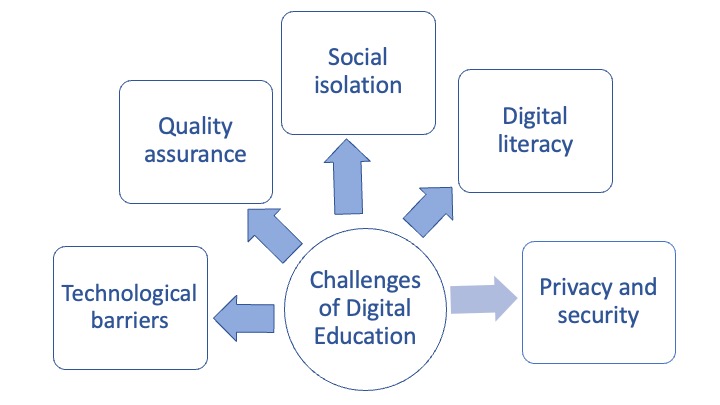
Figure 2: Challenges of Distance Education
Technological barriers: Not everyone has equal access to technology or reliable internet connections, creating a digital divide. This disparity in access can hinder some students' ability to fully participate in digital education programs. Additionally, technological glitches or issues with devices, software, or connectivity can disrupt learning experiences, causing frustration and impacting the quality of education delivered.
Quality assurance: Ensuring the quality of digital education programs can be challenging. The absence of face-to-face interaction between students and instructors may lead to difficulties in assessing learning outcomes and providing timely feedback. Moreover, the proliferation of online courses from various providers makes it difficult for students to discern the quality and credibility of educational content and credentials.
Social isolation: Digital education can contribute to feelings of social isolation among students. The lack of physical interaction with peers and instructors may lead to a sense of disconnection and loneliness, impacting students' motivation and mental well-being. Additionally, the absence of social cues and non-verbal communication in online interactions can make it challenging to build relationships and foster a sense of community within digital learning environments.
Digital literacy: Digital education requires a certain level of digital literacy, which not all students possess. Some learners may struggle to navigate online platforms, use digital tools effectively, or critically evaluate online information. This lack of digital literacy can impede students' ability to fully engage with digital learning resources and participate meaningfully in online discussions and activities.
Privacy and security: Digital education raises concerns about the privacy and security of students' personal data and online interactions. Educational institutions and online platforms must implement robust security measures to protect sensitive information from unauthorized access, data breaches, and cyberattacks. Additionally, ensuring students' privacy rights while using online learning platforms and tools requires careful consideration of data collection, storage, and usage practices.
Addressing these challenges requires a comprehensive approach that involves investment in infrastructure and technology, development of digital literacy skills, implementation of quality assurance mechanisms, promotion of social interaction and community-building strategies, and prioritization of privacy and security measures. By proactively addressing these challenges, digital education can fulfill its potential to provide accessible, high-quality learning experiences for all students.
4. Conclusion
In conclusion, the exploration of the benefits and challenges of digital education illuminates its profound impact on modern learning. Digital education transcends geographical limitations, offering unparalleled accessibility and flexibility to learners worldwide. Its engagement tools and personalized approaches foster deep understanding and retention of knowledge, while its cost-effectiveness and global collaboration opportunities democratize education on a global scale.
However, amidst its transformative potential, digital education presents challenges that must be addressed. The digital divide, quality assurance concerns, social isolation, digital literacy gaps, and privacy/security risks underscore the need for a holistic approach to implementation. Investment in infrastructure, cultivation of digital literacy skills, assurance of quality standards, promotion of social interaction, and safeguarding privacy are pivotal in realizing the full benefits of digital education.
By navigating these challenges with diligence and foresight, digital education can evolve into a dynamic force for equitable, accessible, and enriching learning experiences, shaping a future where education knows no boundaries and empowers learners of all backgrounds to thrive in an interconnected world.
5. References
Alenezi, M., Wardat, S., & Akour, M. (2023). The need of integrating digital education in higher education: Challenges and opportunities. Sustainability, 15(6), 4782.
Parveen, S., & Ramzan, S. I. (2024). The Role of Digital Technologies in Education: Benefits and Challenges. International Research Journal on Advanced Engineering and Management (IRJAEM), 2(06), 2029-2037.
Paudel, P. (2021). Online education: Benefits, challenges and strategies during and after COVID-19 in higher education. International Journal on Studies in Education (IJonSE), 3(2).
Zawacki-Richter, O., & Jung, I. (Eds.). (2023). Handbook of Open, Distance and Digital Education. Springer.