
Lesson 1.1 Introduction to Digital Education
4. Components of Digital Education
Digital education typically comprises several key components:
- Course Content: This includes the educational materials, such as interactive e- lessons, simulations, readings, videos, and assignments, that are delivered electronically through a learning management system (LMS) or other online platforms.
- Interaction: Interaction between students and instructors, as well as among students themselves, can take various forms, including collaborative learning through online discussions, forums, live chats, and video conferences.
- Assessment: Assessment methods may include quizzes, exams, essays, projects, and peer evaluations, all of which can be administered and submitted online.
- Feedback: Instructors provide feedback on student work, guiding their progress and addressing areas for improvement. This feedback can be given through written comments, recorded audio/video, or live discussions by e-tutors, e-coaching, and e-mentoring.
- Technology: Online learning relies on various technologies such as computers, the internet, learning management systems, multimedia tools, and communication platforms to facilitate the delivery of content and interaction between participants.
- Support Services: Institutions often offer online support services such as technical assistance, academic advising, counseling, and library resources to help students succeed in their online learning endeavors. Services which provide human and social dimensions can be offered to learners to support them through the online learning experience (e-tutoring, e-coaching, e-mentoring).
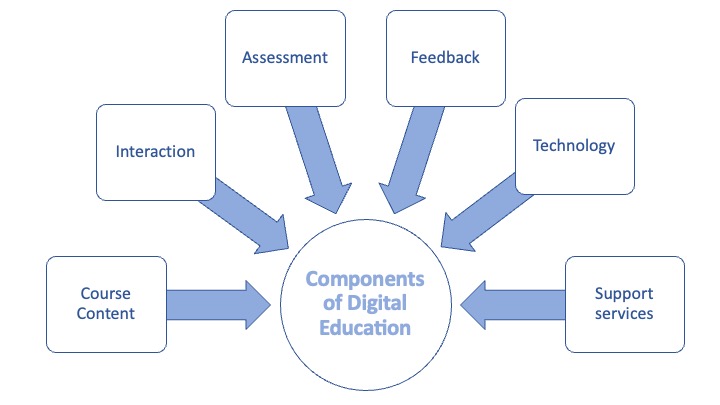
Figure 1: Components of Digital Education
Collaborative activities within online learning environments encompass a broad spectrum of interactions, spanning from engaging in discussions and exchanging knowledge to collaborating on joint projects. These activities foster a sense of community and collective learning among participants. Leveraging social software tools like chat platforms, discussion forums, and blogs, learners can seamlessly collaborate and communicate with one another irrespective of geographical barriers. These platforms facilitate dynamic interactions, enabling learners to share ideas, seek feedback, and collectively construct knowledge in a collaborative online setting. A virtual classroom is the instructional method most similar to traditional classroom training, as it is led completely by an instructor.
These components work together to create a comprehensive online learning experience that provides flexibility, interactivity, and accessibility to learners. Navigating the nuances of online learning approaches and components, students uncover the diverse methodologies employed to cultivate engaging and effective learning experiences. From the development of interactive e-lessons to the facilitation of collaborative learning environments, learners discern the intricate tapestry of elements woven into the fabric of digital education.