
Relevance: Robotics and Internet of Things (IoT) are changing more and more all areas of life. Automation and real-time data exchange enable smart solutions in healthcare, manufacturing, logistics and many other areas by increasing efficiency, precision and interconnectivity. However, these technologies also pose significant risks, such as privacy invasion, security threats, and potential job loss. To harness the transformative potential of Robotics and IoT, it is therefore crucial to understand their risks and to practice a responsible and ethical approach.
Objective: the course aims to provide a comprehensive understanding of IoT and Robotics, their different fields of applications, ethical implications, technical foundation and basic skills to design and model IoT and Robotics solutions.
Learning outcome: By the end of the course, students will have acquired sufficient knowledge of Robotics and the Internet of Things, enabling them to use these key technologies of the 21st century to solve challenging problems.
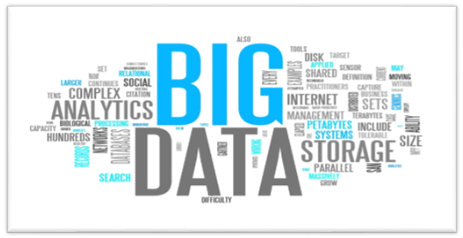
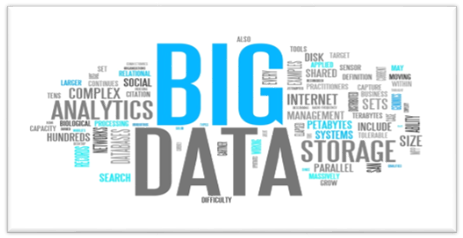
Relevance: Information technologies with growing amounts of digital storage and more devices or sensors than ever before have resulted in massive quantities of diverse data, where applying this data for many useful purposes becomes challenging. Term Big Data indicates massive and often unstructured data, for which traditional data management and analysis tools are insufficient.
The aim of the course is to give an an overview of the Big Data concept and main techniques for working with it effectively. Practical focus is on extracting value and formulating data-driven insights using analytics and visualization.
Learning outcome: by the end of the course, students should have a sufficient knowledge of big data analytics as a tool for addressing research questions and approaching challenging problems with data-driven solutions.